How to Prepare Your Home for the Winter Storm Heading to the Triangle
- Ensure your heating system is working efficiently and use space heaters safely.
- Insulate exposed pipes and let faucets drip to prevent freezing.
- Stock up on essentials like food, water, medications, and emergency supplies.
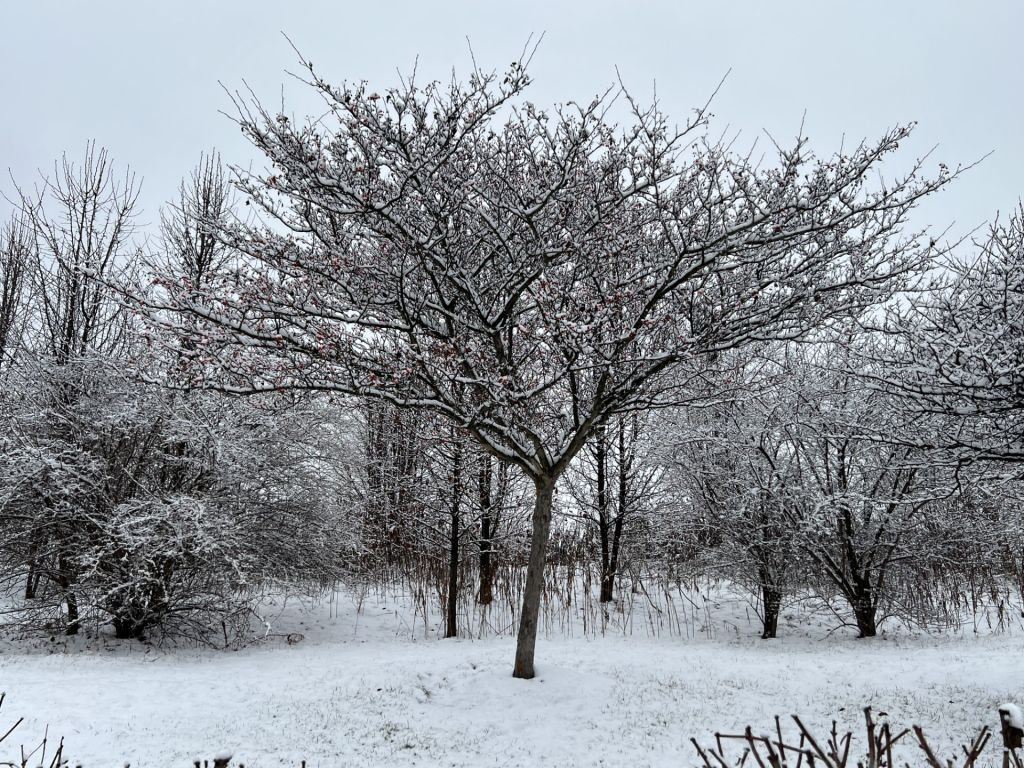
A major winter storm is expected to sweep across the eastern half of the United States this weekend, bringing a mix of snow, sleet, freezing rain, and a blast of Arctic air. This could be the coldest and most disruptive weather of the season so far.
With forecasts calling for potentially dangerous travel conditions and prolonged snow and ice, it’s the perfect time to make sure your home is ready for winter weather. Here’s what you should do to stay safe and comfortable.
1. Check Your Heating System
Before the cold hits, ensure your furnace or heating system is working efficiently. Replace filters, test your thermostat, and consider scheduling a maintenance check if you haven’t had one this season. If you use space heaters or alternative heating methods, make sure they are safe and positioned away from flammable materials.
2. Protect Your Pipes
Freezing temperatures can cause pipes to burst. Insulate exposed pipes in basements, attics, and crawl spaces. Keep cabinet doors open under sinks to allow warm air to circulate. During extreme cold, let faucets drip slightly to prevent freezing.
3. Stock Up on Essentials
Prepare for the possibility of being homebound for a few days:
- Food & Water: Keep non-perishable items and at least a few days’ supply of water.
- Medications: Refill prescriptions and keep necessary medical supplies on hand.
- Emergency Supplies: Flashlights, batteries, blankets, and a first-aid kit are essential in case of power outages.
4. Prepare for Snow and Ice
If heavy snow or freezing rain hits your area, clearing driveways and sidewalks promptly is important for safety. Keep shovels, ice melt, and sand nearby. Consider having extra warm clothing and boots ready for outdoor tasks.
5. Protect Your Home Exterior
Inspect your roof, gutters, and windows for leaks or weak spots. Secure outdoor furniture and equipment that could be damaged by wind, ice, or snow. Trim overhanging tree branches to reduce the risk of falling debris.
6. Stay Informed
Monitor weather updates and alerts from the National Weather Service. The winter storm watch already covers parts of Oklahoma, northern Texas, Arkansas, and northwest Louisiana, with additional areas expected to see alerts soon. The exact track and intensity of the storm will determine snow and ice totals, so staying updated is key.
7. Plan for Power Outages
Arctic air and ice accumulation can knock out power for extended periods. Charge electronics, have backup power sources like generators if safe, and avoid overloading circuits. Keep a supply of non-perishable food and water that doesn’t require cooking.
Even after the storm passes, extremely cold temperatures are expected to linger, which may keep snow and ice from melting quickly. Preparing now can help protect your home, your family, and your safety while the winter weather moves through.