

Before the Hashtags: Black Women Who Organized Movements
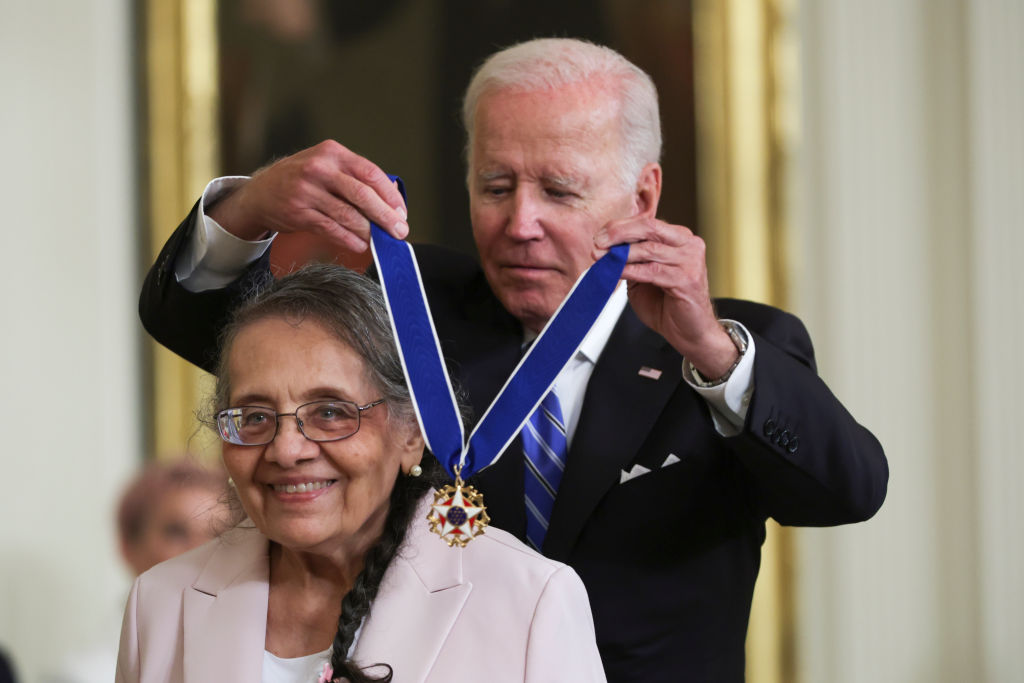
Long before hashtags mobilized millions with a single post, Black women were already organizing movements that would change the course of history. Without the amplification of social media, they relied on community networks, church gatherings, word of mouth, and relentless determination to build power from the ground up. Their leadership was not always centered in headlines, but it was foundational in shaping the civil rights movement and beyond.
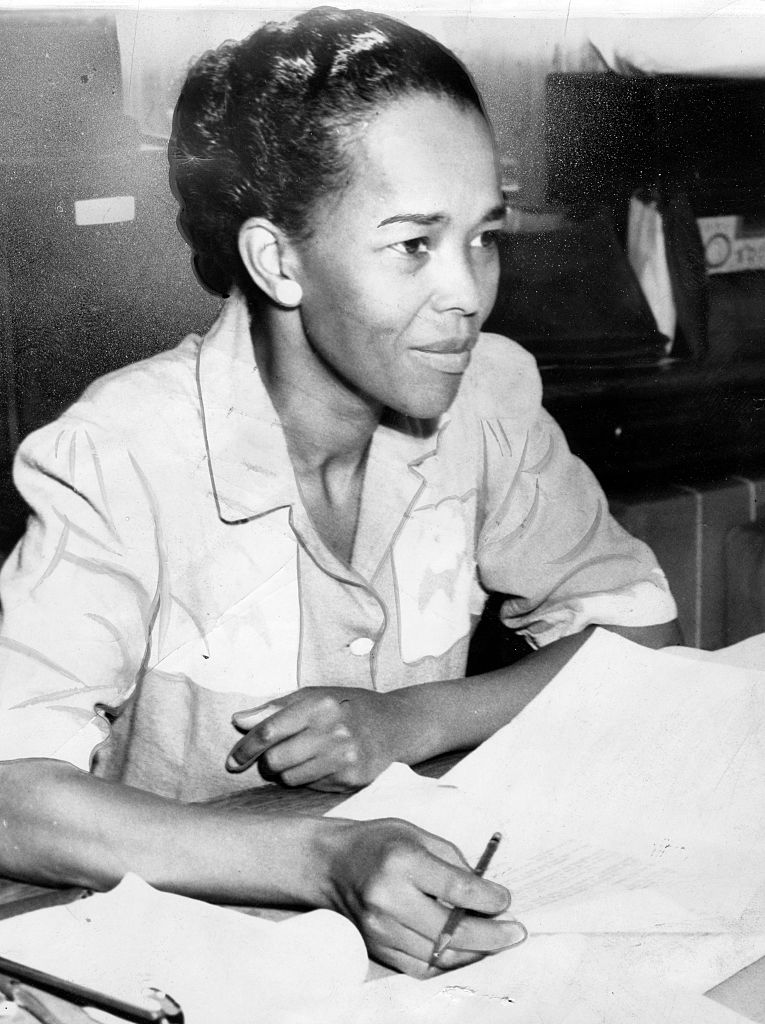
At the heart of grassroots organizing was Ella Baker, a visionary who believed in collective leadership over individual fame. Baker played a key role in the formation of the Student Nonviolent Coordinating Committee, encouraging young activists to take ownership of their movement. She understood that real change happens when everyday people are empowered, not just when charismatic leaders take the spotlight.
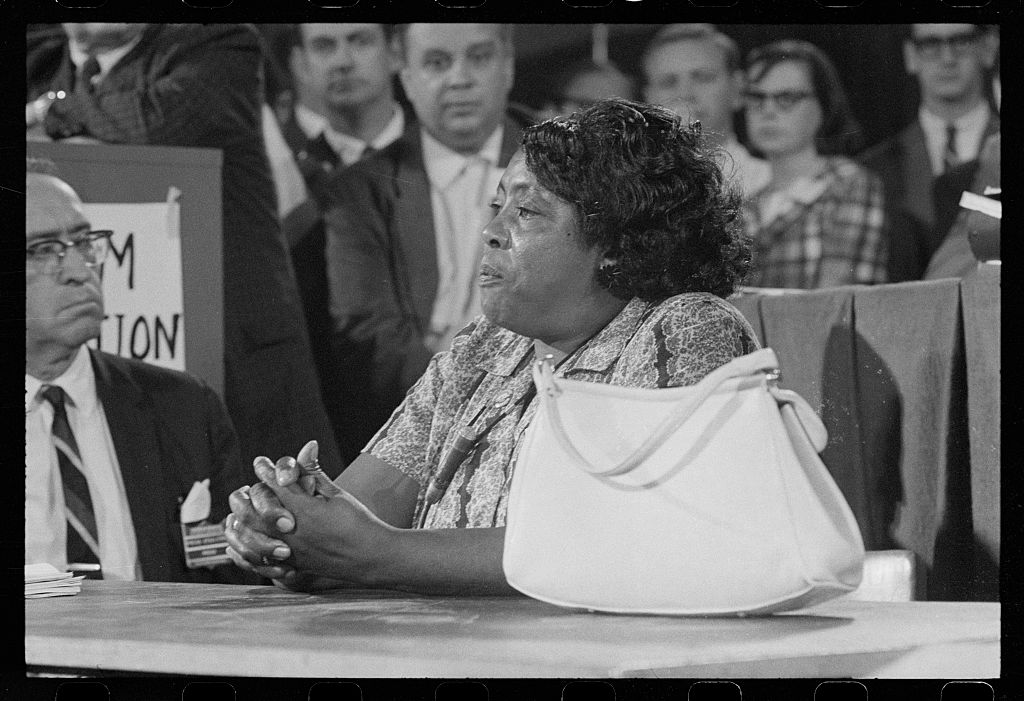
Fannie Lou Hamer brought fearless truth to the national stage. A sharecropper turned activist, Hamer became a powerful voice for voting rights, famously challenging the Democratic Party at the 1964 convention. Her organizing work with the Mississippi Freedom Democratic Party helped expose the violent suppression of Black voters, reminding the world that grassroots voices could not be ignored.
Education was also a revolutionary tool in the hands of Septima Clark. Known as the “Mother of the Movement,” Clark established citizenship schools that taught Black Americans how to read, write, and pass voter registration tests. Her work empowered thousands to claim their rights, proving that knowledge itself could be a form of resistance and liberation.
And on the front lines of direct action was Diane Nash, a key strategist behind the Nashville sit ins and Freedom Rides. Nash organized with precision and courage, helping coordinate nonviolent protests that directly challenged segregation. Her leadership demonstrated that young Black women were not just participants in the movement, but architects of its strategy and success.
Before the world could retweet or repost, these women built movements through trust, sacrifice, and community. From church basements to city streets, they created networks that fueled lasting change. Their legacy reminds us that while tools may evolve, the power of grassroots leadership will always begin with people willing to stand up, organize, and move a community forward.
Before the Hashtags: Black Women Who Organized Movements was originally published on blackamericaweb.com