How hop-hip helped make motorcycle culture mainstream
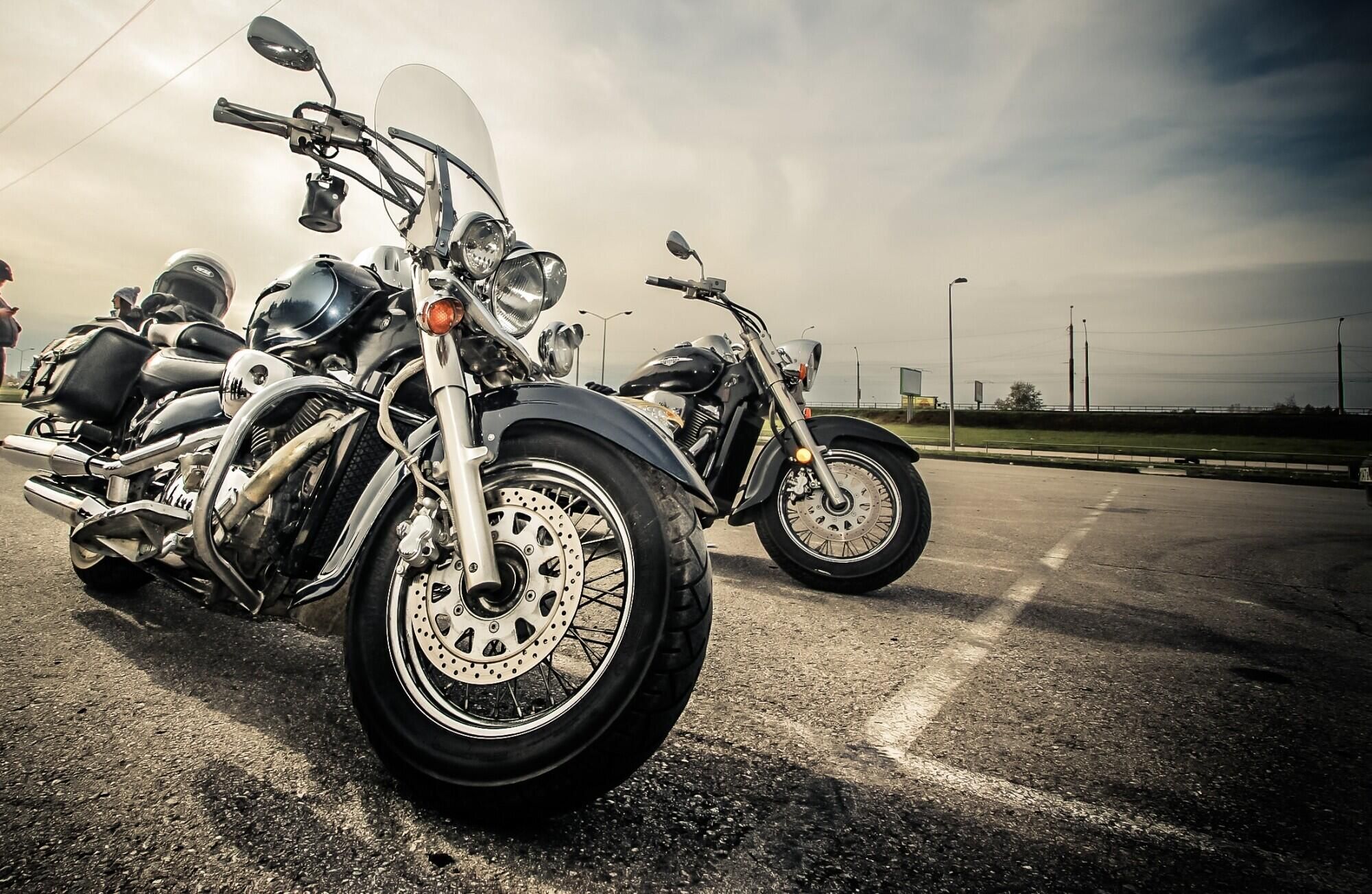
Hip-hop pulled motorcycle culture out of its outlaw niche and made it mainstream, from Ruff Ryders videos in the 1990s to Baltimore’s bike life scene. That new visibility brought millions to riding, along with real responsibilities around safety and legal protection.
In the popular imagination, motorcyclists used to be seen as outlaws. Motorcycle clubs like the Hells Angels were notorious in the 60s for exactly that, and even a simple Labor Day gathering could terrify the local populace. But in 1999, a hip-hop collective known as the Ruff Ryders sent the music compilation Ryde or Die Vol. 1 to No. 1 on the Billboard charts.
A chart-topping album built around motorcycle culture and hip-hop forever changed the perception of motorcycles. It’s no longer just about outlaws on highways, and these days, the hip-hop aesthetic is alive and well in the motorcycle world.
Hip-Hop Artists and Motorcycles: From Outlaw Image to Music Video Staple
According to Smithsonian Magazine, American pop culture underwent a transformation in the 1990s, and hip-hop was one of the biggest sounds on the planet during this time. Artists like DMX and his Ruff Ryders labelmates built an entire visual identity around stunt motorcycle riding, filling music videos with sport bikes and skilled riders.
The aesthetics in these videos were very different from those of the past, and they reshaped motorcycle trends as the Harleys of the past were exchanged for Suzukis. Record labels noticed that the videos with the bikes tended to test well, and so the imagery spread across the genre.
Bike Life as a Movement
While motorcycle culture and hip-hop synergy began as video spectacle, it has grown into genuine street culture. There’s Baltimore’s dirt bike scene, which has been documented in film and supported by artists such as Meek Mill, and this scene turns urban riding into its own form of identity.
Mainstream Visibility and Real-World Responsibility
Mainstream motorcycle culture is a double-edged sword. The National Highway Traffic Safety Administration reports that motorcyclists are dramatically over-represented in roadway deaths relative to the miles they travel, and it maintains extensive rider safety resources to help lower those numbers. Many of the riders who find themselves in these statistics were inspired to ride because of the culture surrounding it. But sadly, such enthusiasts often don’t take safety seriously enough.
Physical safety is just one aspect. Helmets, protective gear, and defensive riding are important, but keeping yourself protected legally is also essential. In riding hotspots across the Southeast, riders increasingly face legal battles because of the mistakes of other road users, and many turn to Greenville motorcycle accident attorneys after collisions to help secure their legal rights.
The Lasting Impact on Motorcycle Culture
The hip-hop genre started as a single block party in 1973, and since then it’s gone through many different iterations and aesthetics. While motorcyclists were once enamored with Harley-Davidsons and one-percenter outlaw imagery, the hip-hop influence transformed the motorcycle world forever. Although the era of Ruff Ryders videos is long gone, the impact on motorcycle culture still remains to this day, a true cultural revolution in biking.
If you’re interested in reading more about hip-hop music and culture, see our other articles.





