How Jason Collins Changed Pro Sports
How Jason Collins Changed What It Means To Be A Black Man In Pro Sports
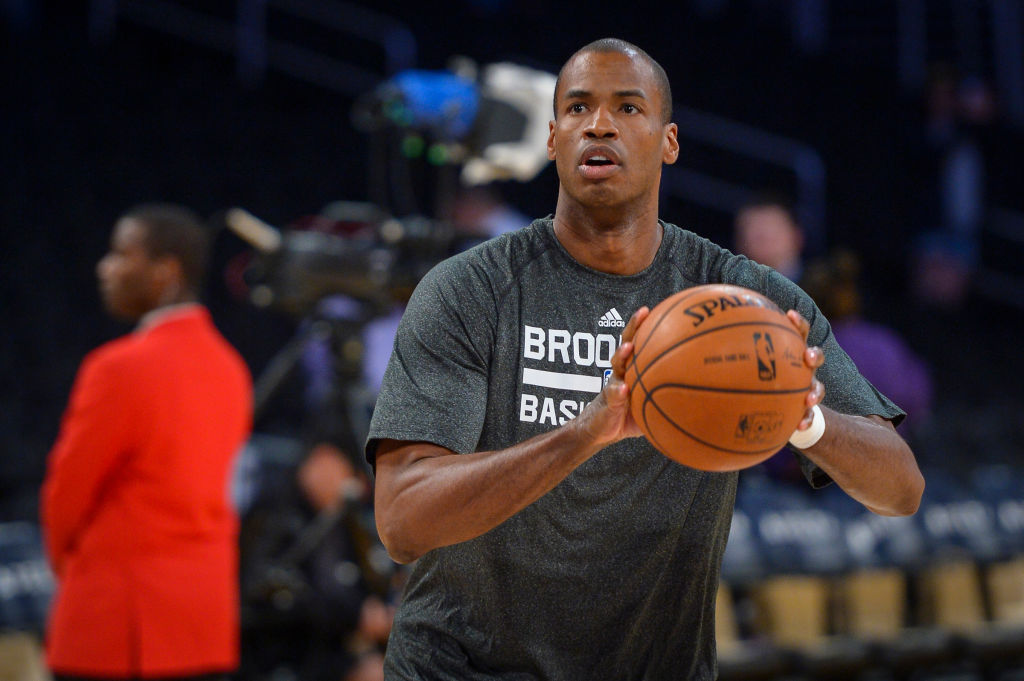
Jason Collins didn’t just play in the NBA. He shifted the culture around it. Following his heartbreaking passing at 47 after a battle with Stage 4 glioblastoma, the basketball world is remembering a man whose impact stretched far beyond box scores, rebounds, screens or defensive assignments. Collins played 13 seasons in the league, reached back-to-back NBA Finals with the New Jersey Nets, and carved out the type of career every role player dreams about. But his legacy became much bigger than basketball when he chose honesty at a time when pro sports still had very little room for it.
In 2013, Collins made history when he came out publicly in Sports Illustrated, becoming the first active male athlete in a major American professional team sport to do so. His opening words — “I’m a 34-year-old NBA center. I’m Black. And I’m gay.” — were simple, direct and powerful because they challenged so much of what sports had taught people to expect from Black masculinity. For generations, especially in basketball and football, Black men were celebrated for toughness, strength, silence and sacrifice. Collins showed that truth could be part of that strength, too.
That’s what made his courage feel different. Collins was not a superstar with a marketing machine behind him. He was a respected veteran, a 7-foot center known for his defense, professionalism and the dirty work that helped teams win. That made his decision feel even more human. He was not trying to become a symbol, but once he realized he had the platform, he accepted the responsibility. In a sports world where locker rooms were still often painted as places where vulnerability could get you judged, mocked or pushed out, Collins stood in his truth and forced the conversation forward.
His return to the court mattered just as much as the announcement itself. In February 2014, Collins signed with the Brooklyn Nets and became the first openly gay athlete to play in any of the four major North American professional sports leagues. That moment was bigger than one game, one contract or one stat line. It proved that an athlete could come out, still belong in the locker room, still contribute, still be respected and still be part of the league. For LGBTQ+ athletes watching quietly from college gyms, high school fields or professional benches, Collins gave them something sports had rarely offered: proof.
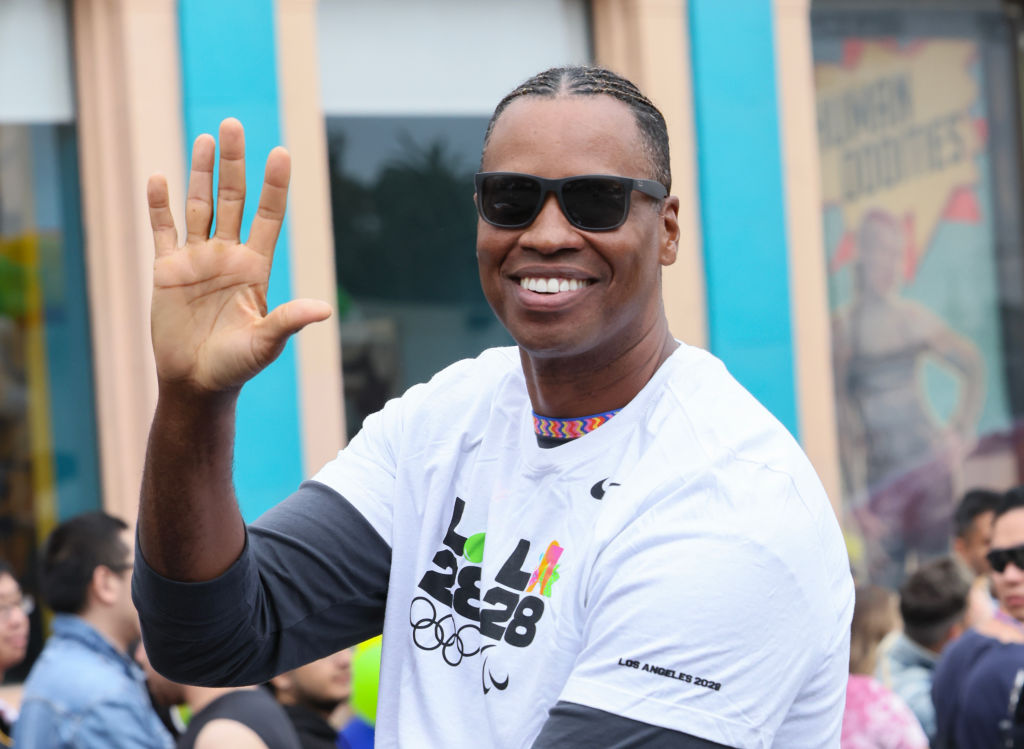
And for Black athletes specifically, Collins helped widen the definition of what manhood could look like. He showed that being a Black man in pro sports did not have to mean hiding parts of yourself to make everybody else comfortable. It did not have to mean carrying pain in silence or shrinking your full identity for the sake of an image. Collins wore No. 98 as a tribute to Matthew Shepard, remained active in advocacy after retirement, and later served as an NBA Cares Ambassador, using his platform to continue promoting inclusion, acceptance, and basic humanity.
The love that poured in after his passing speaks to the life he lived. NBA Commissioner Adam Silver remembered Collins for his leadership, professionalism, and humanity, while others across sports and culture honored him as a trailblazer who made the road a little easier for those who came after him. He was honored shortly before his death with the inaugural Bill Walton Global Champion Award, a fitting reminder that his influence had grown far beyond a single league or locker room.
Jason Collins changed sports because he made room. Room for honesty. Room for softness. Room for courage that did not look like dunking on somebody or playing through an injury, but instead looked like telling the truth when the world might not be ready to hear it. His passing is a painful loss, but his legacy is already stamped. He helped open a door that had been locked for too long, and because he had the bravery to walk through it first, someone else may never have to feel like they’re walking alone.
RELATED: Jason Collins, NBA’s First Openly Gay Player, Dead At 47 As NBA World Mourns Trailblazer
See how social media is reacting to the death of a trailblazer below.
How Jason Collins Changed What It Means To Be A Black Man In Pro Sports was originally published on cassiuslife.com